Exactly How to Calculate Gas Flow in Piping Solutions
When you're charged with determining gas circulation in piping systems, you'll want to begin by comprehending the foundational concepts that regulate circulation prices and stress goes down. You need to think about factors like gas thickness, temperature, and the results of fittings and shutoffs on total circulation. Making use of essential formulas like Bernoulli's and Darcy-Weisbach can assist you analyze the system properly. But what about those common challenges that could alter your results? Exploring those might be crucial for guaranteeing precision in your computations.
Secret understandings
- Establish the required circulation rate in SCFM or L/s based upon system demands and gas properties.
- Utilize the Connection Equation to relate circulation rates to pipeline cross-sectional locations for accurate estimations.
- Apply the Darcy-Weisbach Equation to compute pressure losses because of friction in the piping system.
- Take into consideration gas homes like thickness, viscosity, and temperature level, as they substantially influence circulation attributes and computations.
- On a regular basis adjust dimension devices and software to make sure precision in circulation rate and stress measurements.
Comprehending Gas Circulation Fundamentals
To obtain a grasp on gas flow in piping systems, you need to recognize a number of fundamental concepts. Gas residential or commercial properties, such as thickness, thickness, and compressibility, play a crucial function in identifying just how gas acts under numerous problems. These homes affect not just the rate at which gas flows but likewise just how it connects with the pipeline product and the surrounding environment.
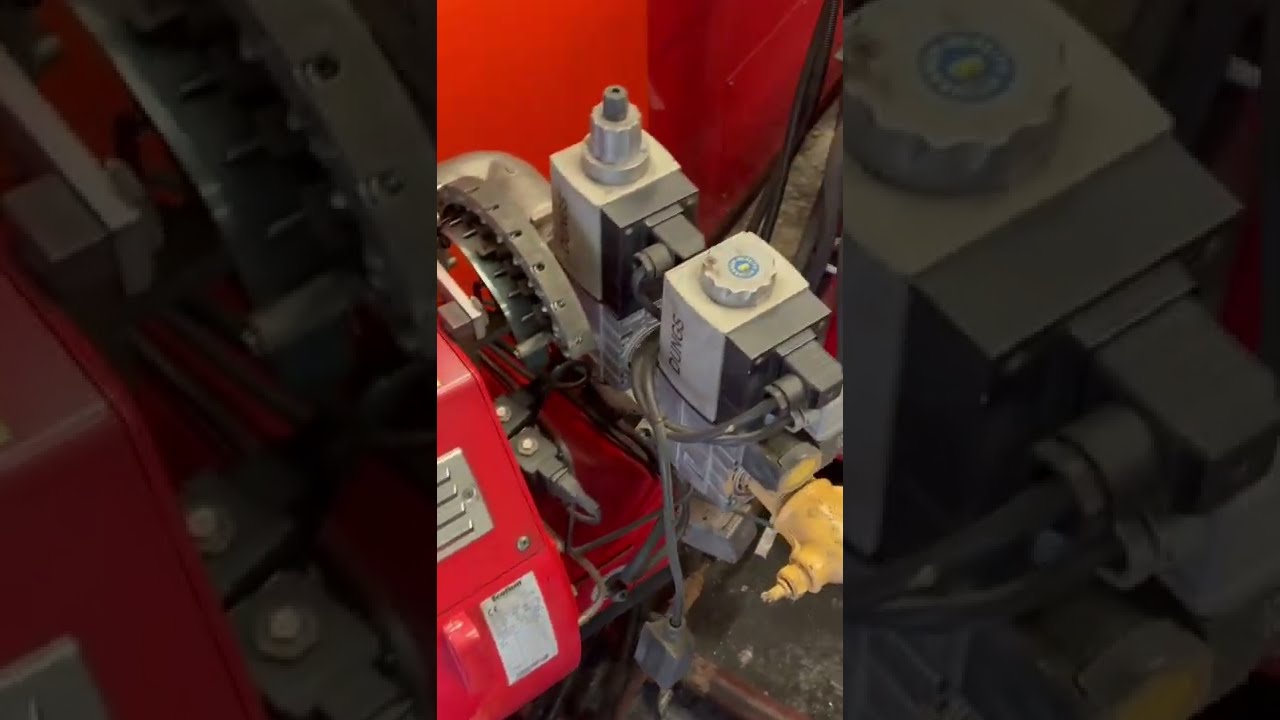
You'll experience various flow programs when analyzing gas flow. Laminar circulation, defined by smooth and organized activity, happens at reduced velocities and is primarily affected by viscosity. Conversely, turbulent circulation, which is chaotic and irregular, controls at higher rates and is influenced by factors like gas thickness and pipe size. Recognizing these routines permits you to predict stress declines and flow prices more properly.
It's vital to review the shift between laminar and turbulent flow as it can considerably impact system performance. By grasping these foundational ideas, you set the phase for much deeper analysis and calculations of gas circulation in piping systems, making gas engineer canterbury certain reliable layout and procedure.
Key Factors Influencing Gas Circulation
When calculating gas circulation in piping systems, you'll locate that pipeline size substantially impacts flow prices. A larger size minimizes resistance, permitting a higher volume of gas to go through. Additionally, stress drops along the pipeline can alter flow actions, making it vital to represent these consider your estimations.
Pipeline Diameter Influence
Recognizing the effect of pipeline size on gas flow is essential for taking full advantage of piping system performance. The diameter greatly affects the flow regimen, affecting both rate and pressure decline across the system. When you select the appropriate diameter, you improve effectiveness and decrease possible issues.
- Enhanced diameter can lower friction loss.
- Perfect sizing lessens disturbance, boosting flow.
- Material selection connects with diameter to affect flow features.
When gas streams with a pipe, the connection in between diameter and flow rate is governed by the continuity equation. A larger diameter permits a higher quantity of gas, lowering the speed and making it possible for a laminar flow program, which decreases disturbance. On the various other hand, smaller sizes can result in boosted speed, creating an adjustment to stormy circulation, which can enhance power losses.
Moreover, the pipeline product also plays a key function. Various products have differing friction coefficients, influencing exactly how efficiently gas moves with the system. Constantly take into consideration both pipe size and product when creating or maximizing your gas piping systems to assure effective and effective operation.
Stress Decrease Effects
Pressure decline is an essential aspect that directly influences gas flow within piping systems. It triggers pressure loss, which can significantly impact power efficiency and functional prices. You require to consider circulation speed, as greater rates frequently lead to boosted friction elements, intensifying pressure loss. The system style plays a vital function; poorly developed systems can bring about unneeded pressure drops and inadequacies.
Gas properties, such as thickness and viscosity, likewise affect pressure drop. Temperature level effects must be factored in since they can alter gas behavior, affecting circulation routine and pressure characteristics. Shutoffs within the system can present added resistance, additionally making complex circulation dynamics. Recognizing the shutoff influence is necessary for boosting gas flow.
Routine system maintenance is important, as accumulated particles can increase friction and stress decline. You ought to routinely assess the piping system for deterioration to guarantee ideal efficiency. By dealing with these factors, you can reduce pressure decline impacts, leading to more reliable gas circulation and improved system dependability. Focusing on these aspects will certainly not only enhance power efficiency however likewise extend the life expectancy of your piping system.
Important Solutions for Calculation
Computing gas circulation in piping systems calls for a solid grasp of basic solutions that control fluid characteristics. These formulas aid you recognize how gas homes and circulation regimens impact the total system efficiency.
Here are a couple of crucial solutions you ought to be familiar with:
- Connection Formula: This relates the flow rates and cross-sectional locations at various factors in the system.
- Bernoulli's Formula: This helps you assess power conservation in a moving gas and includes stress, speed, and elevation.
- Darcy-Weisbach Equation: This is essential for calculating pressure losses due to friction in an offered length of pipeline.
Each formula offers a special objective in determining elements like rate, stress decline, and flow rate. To successfully apply these solutions, you'll require to gather vital details concerning the gas residential or commercial properties, such as its thickness and viscosity. Furthermore, comprehending the flow regimes whether laminar, transitional, or turbulent will certainly enable you to choose the appropriate formula for your computations. Mastering these fundamental solutions is crucial to precisely reviewing gas circulation in your piping systems.
Step-by-Step Computation Process
To properly figure out gas circulation in piping systems, you'll require to follow a systematic estimation process. Begin by identifying the called for flow rate of the gas in the system. This is generally gauged in common cubic feet per minute (SCFM) or litres per second (L/s). Next, gather the essential specifications, consisting of the gas density, which is necessary for transforming volumetric circulation rates to mass flow prices if required.
Once you have the circulation price and gas density, use the suitable formula to compute the circulation rate in the pipeline. This can be done utilizing the formula: circulation price = cross-sectional area flow speed. Confirm you calculate the cross-sectional area based on the pipeline size.
After establishing the circulation velocity, you might need to represent elements such as friction losses or altitude modifications in the piping system. These adjustments can be determined using recognized liquid dynamics principles, like the Darcy-Weisbach equation.
Finally, verify your calculations by cross-referencing with standard flow tables or software devices to validate precision. Following these actions diligently will supply a trusted assessment of gas flow in your piping system.
Tools and Equipment Required
To properly calculate gas flow in piping systems, you'll need crucial dimension tools, such as circulation meters and stress evaluates. It's important to have calibration devices to ensure these tools give accurate readings. Furthermore, do not neglect the importance of safety tools to shield on your own throughout the measurement procedure.
Crucial Dimension Instruments
When measuring gas circulation in piping systems, having the right tools is important for exact evaluations and reliable system monitoring. Using proper measurement tools guarantees you make up numerous circulation measurement methods and gas density considerations that can impact performance and safety and security.
- Flow meters (e.g., orifice plates, generator meters)
- Differential pressure determines
- Gas analyzers
Flow meters are vital for measuring the gas circulation price, while differential pressure gauges help establish stress decreases across parts, which can indicate flow changes. Gas analyzers are useful for evaluating gas make-up, as this information can affect calculations entailing gas thickness.
Integrating these tools into your system enables you to check and readjust circulation problems efficiently. As an example, recognizing the relationship in between gas thickness and flow rate is important, especially with differing temperatures and stress. By picking tools that fit your certain application, you can improve dimension accuracy and integrity, leading to better system effectiveness and lowered operational expenses. Always verify that your picked tools line up with the required circulation dimension methods to help with ideal gas circulation monitoring in your piping systems.
Calibration Devices Review
Calibration devices are essential for assuring the accuracy and reliability of your gas circulation measurement tools. To attain accurate gas flow calculations, you require a variety of calibration devices that assist in effective calibration techniques. These tools consist of flowmeters, pressure determines, and recommendation criteria, which help you verify and readjust the efficiency of your tools.
When choosing calibration tools, focus on their tool precision. Premium flowmeters, for instance, not only gauge flow rates yet additionally enable you to compare dimensions versus known requirements. This comparison is necessary for identifying discrepancies and making required changes. Stress gauges must be on a regular basis calibrated to guarantee they give accurate readings, as even minor mistakes can result in significant measurement inaccuracies.
Furthermore, don't overlook the value of software program calibration devices that can automate the calibration process and provide data analytics to boost your understanding of the system's performance. By using these calibration strategies and tools, you'll preserve the stability of your gas flow dimensions, making sure that your piping systems run efficiently and securely. Regular calibration is key to attaining long-lasting accuracy and dependability in your gas flow dimensions.
Security Devices Requirements
Guaranteeing safety and security in gas flow measurement and piping systems needs a comprehensive collection of security devices. You need to furnish on your own with tools that not just protect you yet likewise assist in adherence to emergency situation treatments. Below are three necessary products to reflect upon:
- Personal Protective Equipment (PPE): Constantly put on gloves, goggles, and respirators to secure yourself from harmful gases and possible dangers.
- Gas Detectors: These tools are imperative for identifying gas leaks, making certain you look out before a harmful situation intensifies.
- First Aid Package: A well-stocked package is crucial for instant response in situation of accidents or exposure to dangerous products.
Along with these gas safe engineer canterbury items, you ought to additionally familiarize yourself with the emergency procedures specific to your workplace. Knowing just how to respond in instance of a gas leak or other emergency situation can significantly reduce risks. Frequently examine your security devices to ensure it's in excellent functioning order. Your dedication to using correct safety and security equipment and complying with recognized methods can efficiently alleviate risks related to gas flow dimension and piping systems. Bear in mind, safety and security is not just a demand; it's an obligation you owe to yourself and your group.
Usual Blunders to Stay Clear Of
To properly calculate gas circulation in piping systems, it's vital to acknowledge and stay clear of usual mistakes that can lead to inaccurate results. One major error is overlooking the gas structure results. Different gas blends can significantly change circulation qualities, consisting of thickness and thickness. Constantly validate you're using the proper buildings for the certain gas composition included.
An additional typical mistake is forgeting temperature level variations. Gas flow is extremely sensitive to temperature level adjustments, which can influence the gas's density and stress. Failing to account for these variants can result in substantial discrepancies in your estimations. Constantly gauge the temperature at several points along the pipe, particularly in locations where warmth exchange happens.
Poor stress measurements can likewise skew outcomes. Confirm that you're using calibrated tools and bookkeeping for pressure goes down across installations and shutoffs. Lastly, do not forget to examine the influence of altitude modifications in your piping layout, as these can impact flow rates.

Often Asked Concerns
Just How Do Temperature Changes Affect Gas Flow Computations?
Temperature adjustments considerably affect gas flow calculations. As you readjust the temperature, the temperature coefficient comes into play, influencing the gas's density and viscosity. Higher temperature levels generally minimize gas density, causing raised flow prices. Furthermore, gas compressibility varies with temperature, changing exactly how the gas behaves under stress. You should consider these elements to guarantee accurate calculations and enhance circulation effectiveness in your systems.
Can Gas Circulation Vary With Different Pipeline Materials?
Yes, gas circulation can vary considerably with various pipeline products as a result of their special flow attributes. Each product whether it's steel, PVC, or copper has distinct roughness, thermal conductivity, and stress resistance that influence rubbing loss and overall flow efficiency. When choosing pipeline product for your system, you need to consider these variables to assure peak performance and minimize power loss. Understanding these variants aids you make notified decisions for your gas circulation applications.
Just How Does Elevation Effect Gas Circulation in Piping Solutions?
Elevation significantly impacts gas flow in piping systems because of its influence on stress slopes. As you enhance elevation, the air pressure decreases, which can lead to minimized gas thickness and modified circulation rates. You'll notice that higher elevations may call for modifications in system layout to keep excellent circulation. Comprehending altitude impacts is essential for guaranteeing reliable gas transport, as it straight associates with pressure differentials and total system performance.
What Precaution Should Be Taken Into Consideration During Computations?
When considering precaution during computations, you need to focus on precise circulation measurement to prevent potential dangers. Bear in mind stress decline throughout the system; extreme pressure decrease can cause not enough flow and produce dangerous conditions. Make sure you account for potential leakages and mount stress safety valve where necessary. Routinely inspect and keep your piping systems to uphold safety standards, as even minor calculation errors can bring about substantial threats.
Are There Certain Rules for Gas Circulation in Different Industries?
Yes, there specify laws governing gas circulation in various markets. You need to ensure regulative conformity by sticking to market criteria set by organizations like ASME and API. These guidelines dictate devices specs, security methods, and operational procedures. By staying informed about these standards, you can lessen threats and warranty effective gas circulation administration. Always evaluate the most recent updates in policies appropriate to your specific industry to maintain conformity and security.

Recap
To sum up, computing gas circulation in piping systems needs a complete understanding of fundamental concepts and mindful consideration of numerous elements. By applying the continuity equation, Bernoulli's, and Darcy-Weisbach formulas, you can properly evaluate circulation prices and stress losses. Constantly make sure you collect the essential specifications and regularly calibrate your tools to maintain precision. By following the described actions and preventing typical challenges, you'll improve your capability to style and examine reliable gas flow systems effectively.
Corrections
Spot something wrong? Send it to the desk and it gets fixed in the open.